Wednesday, February 22, 2017

7 Proven Black Seed Oil Benefits & Cures

Of the 630 scientific peer-reviewed articles that have been published about black seed oil benefits, one fact is clear: there are few issues that it cannot help the body overcome. With virtually no side effects, the healing prowess of black seed is actually quite unbelievable and it boggles the mind that most Americans have never heard of it!
Unique Black Seed Oil Benefits
The uniqueness of the seeds from southwest Asia Nigella sativa is first realized by the many names that it is referred to: (1)
- Black cumin
- Black caraway
- Black sesame
- Onion seed
- Roman coriander
“Black seed” is actually more of a description than a proper name, yet is preferred because it helps to distinguish it from caraway and cumin. Many health experts claim that it is, indeed, a true panacea; able to help cure everything from allergies to hypertension. Quite possibly, the most promising research has been done connecting Nigella sativa to multi-drug resistant bacteria. This is a real big deal because these so-called “superbugs” are becoming a significant public health risk. According to the National Institute of Health: (2)
 Strains of bacteria and viruses that are antimicrobial-resistant are becoming virtually impossible to treat; including HIV, staphylococcal, tuberculosis, influenza, gonorrhea, candida, and malaria.
- Between 5 – 10% of all hospital patients develop an infection from superbugs.
- More than 90,000 of these patients die every year, up from 13,300 patient deaths in 1992.
- People infected with superbugs typically have longer hospital stays, require more complicated treatment and don’t recover as well.
A study conducted by Jawaharlal Nehru Medical College researchers set out to determine just how potent black seed oil against some of these superbugs and pared it against several antibiotics such as Amoxicillin, Gatifloxacin and Tetracycline. According to the study,
“Out of 144 strains tested, most of which were resistant to a number of antibiotics, 97 were inhibited by the oil of black cumin!”
Next to oil of oregano, few things on the planet can boast this type of potency to microbes! The study uncovered that it was especially effective against multidrug resistant strains of P. aeruginosa and S. aureus.
The key to understanding why black seed oils benefits the body in this way is because it is rich in 3 key natural chemicals: thymoquinone (TQ), thymohydroquinone (THQ) and thymol.
The Power Behind Black Seed Oil Benefits: Phytochemicals
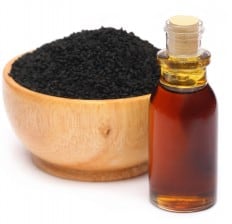
In an effort to offer a solution to the growing antifungal resistant problem people have with yeasts and molds, a recent study was conducted with the purpose of determining if Nigella sativa seed oil could help. Published in the Egyptian Journal of Biochemistry & Molecular Biology, scientists tested thymol, TQ and THQ against 30 human pathogens and were surprised to discover that: (3)
- Each compound showed 100% inhibition for the thirty pathogens evaluated.
- Thymoquinone was the best antifungal compound against all of the tested dermatophytes and yeasts, followed by thymohydroquinone and thymol.
- Thymol was the best antifungal against molds followed by TQ and THQ.
What this study tells us is that Nigella sativa oil carries a very unique chemical constituency that is not only effective individually, but more importantly also collectively. Essentially proving that fungus and molds cannot exist in the presence of these phytochemicals, it is no wonder why researchers are seeking to solve the superbug problem with the mighty black seed!
Thymoquinone – An active ingredient in black seed, researchers have been investigating TQ since the 1960s. It is well known for its anti-oxidant, anti-inflammatory and anticancer properties that have been reported to help with encephalomyelitis, diabetes, asthma and carcinogenesis. (4) Interestingly, thymoquinone acts as a free radical or an effective superoxide radical scavenger, in addition to preserving antioxidant enzymes glutathione peroxidase and glutathione-S-transferase. Both Glutathione peroxidase and S-transferase are heralded for being major detoxifiers and greatly aid in cellular antioxidant defense systems because they protect the liver from toxins. (4,5)
Thymohydroquinone – A kin to thymoqinone, thymohydroquinone is one of the most potent natural acetylcholinesterase (AChE) inhibitors on the planet. (6) AChE inhibitors are chemicals that stop enzyme activity, which increases the amount of time and the amount of the neurotransmitter acetylecholine remains active in the brain. To give you an idea of their usefulness, pharmaceutical-grade acetylcholinesterase inhibitors are used medicinally to treat a wide range of conditions including: (7)

- Apathy
- Alzheimer’s disease
- Autism
- Glaucoma
- Dementia
- Myasthenia gravis
- Neurodegenerative conditions
- Postural Tachycardia Syndrome
- Schizophrenia
- Parkinson’s disease
Considering that the pharmaceutical approach to these diseases comes at a great cost to the patient, it offers much hope to literally millions to learn that safe, plant-based solutions are a viable alternative!
Thymol – The active ingredient that gives thyme essential oil its medicinal properties, thymol is a natural monoterpene that holds a number of useful qualities. For example, (8) (9)
- It is commonly used as a tuberculocide and virucides to kill TB and various viruses.
- It is used as a medical and general-purpose disinfectant.
- It is a rapidly degrading, non-persisting pesticide.
- It is also used in food flavorings, perfumes, mouthwashes, and even cosmetics.
According to the Environmental Protection Agency (9)
Thymol is among those pesticides for which EPA believes a broadly reduced set of generic data requirements is appropriate for reregistration. The Agency, therefore, has waived most generic data requirements for thymol with the exception of studies that are considered essential, including additional information about chemical purity, and product chemistry studies.
Top 7 Black Seed Oil Benefits
Of the many ways that black seed oil benefits the body, the 6 that stick out in the scientific literature its ability to help prevent cancer, diabetes, obesity, hair loss, skin disorders and infections like MRSA.
 1. Cancer
Croatian scientists evaluated the antitumor activity of thymoquinone and thymohydroquinone in mice and discovered that the two phytochemicals in black seed oil can resulted in 52% decrease in tumor cells! (10)
Being rich in both chemicals, black seed is unique in that it can help prevent and treat cancer through a variety of mechanisms:
- Anti-proliferation
- Apoptosis induction
- Cell cycle arrest
- Reactive oxygen species generation
- Anti-metastasis
- Anti-angiogenesis
According to one study,
“The anti-tumor effects of thymoquinone have also been investigated in tumor xenograft mice models for colon, prostate, pancreatic and lung cancer. The combination of thymoquinone and conventional chemotherapeutic drugs could produce greater therapeutic effect as well as reduce the toxicity of the latter.” (11)
 2. Liver Health
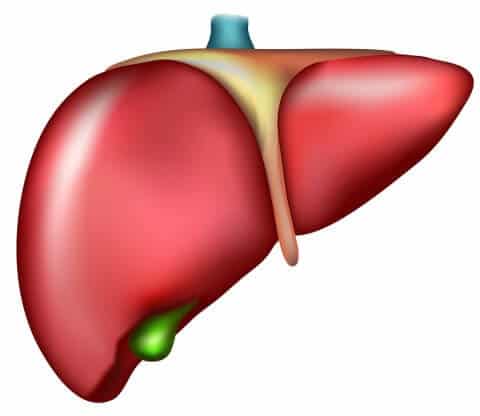
The liver is one of the most important organs in the body. Nearly every toxin gets processed through the liver, and the bile from the liver is the key to digesting fats and keeping your mind and body happy and healthy. For those that have struggled with poor liver function due to medication side effects, alcohol consumption, or disease, black seed oil could greatly speed the healing process. In a recent study scientists discovered that black seed oil benefits the function of the liver and helps prevent both damage and disease. (12)
 3. Diabetes
Explained in a recent article published by the Journal of Endocrinology and Metabolism, researchers from the Indian Council of Medical Research highlight that black seed oil “causes gradual partial regeneration of pancreatic beta-cells, increases the lowered serum insulin concentrations and decreases the elevated serum glucose.” (13) This is actually quite profound because Nigella sativa is one of the few substances on the planet that is suggested to help prevent both type 1 and type 2 diabetes.
In fact, according to the study, black seed “improves glucose tolerance as efficiently as metformin; yet it has not shown significant adverse effects and has very low toxicity!” (13) This is HUGE because metformin, one of the most commonly prescribed type 2 diabetes drugs, can cause a wide slew of side effects including: (14)
- Bloating
- Constipation/Diarrhea
- Flushing of the skin
- Gas/Indigestion
- Heartburn
- Headache
- Nail changes
- Metallic taste in mouth
- Muscle pain
- Stomach pain
 4. Weight Loss
The Journal of Diabetes and Metabolic Disorders published a study last June systemically reviewing the literature for plants that have anti-obesity properties and discovered that black seed oil was amongst the most effective natural remedies on the planet. (15)
Not traditionally believed to treat obesity, Nigella sativa is a marvelous anti-inflammatory agent that is known to help people lose weight in the same way that it helps diabetics. Specifically, by decreasing these weight gain triggers, black seed oil has helped millions shed excess weight: (16)
- Appetite
- Glucose absorption in the intestine
- Liver gluconeogenesis
- Blood glucose levels
- Cholesterol
- Triglycerides
 5. Hair
Probably one of the most unique black seed oil benefits is its uncanny ability to help restore hair loss. No one quite understands why it happens, but it’s not too hard to guess that it has something to do with its powerful antioxidant and antimicrobial properties. By strengthening hair follicles, there is very good reason to see how black seed oil can help promote strengthened hair roots.
 6. Skin
Produced in the retina, choroid and epidermis, melanin are pigments that protect the skin from damage. You probably are most family with it being the main chemical responsible for giving our eyes and skin their individual color. Known to promote and inhibit melanogenesis (melanin production), black seed oil benefits on the skin and other cells are profoundly healing. (17, 18)
For example, in a recent study conducted by Iranian researchers, Nigella saliva was found as effective as the skin cream Betamethasone in improving quality of life and decreasing severity of hand eczema. (19) When you consider that black seed oil has virtually no side effects, the benefits of Nigella, in fact, far exceed medical intervention!
 7. Infections (MRSA)
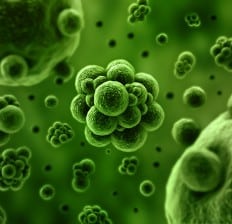
Of all the superbugs that black seed oil can kill, Methicillin resistant Staphylococcus aureus (MRSA) is one of the most important. MRSA is plaguing hospitals and nursing homes across the globe because ordinary staph infections are becoming resistant to generic antibiotics. The elderly population is especially at risk because it is generally associated with invasive procedures such as surgeries, intravenous tubing, and artificial joints. (20) Primarily due to weakened immunity, the growing population of senior citizens has made MRSA a global public health risk.
Thankfully, one of the strongest black seed oil benefits comes to the rescue. Pakistan scientists took several strains of MRSA and discovered that each one was sensitive to N. Sativa, proving that black seed oil can help slow down or stop MRSA from spreading out of control. (21)
Final Note:
With all of these health benefits, I cannot think of one reason why everyone on the planet shouldn’t have black seed oil in their medicine cabinets!
Tuesday, February 21, 2017
10 Warning Signs of Poor Blood Circulation
Good blood circulation is essential for good health. Your blood helps transport nutrients and oxygen to every part of your body.
Any problem with your circulatory system can lead to a variety of other health issues. If left untreated, it can cause serious damage to your brain, heart, liver, kidneys and limbs.
You can have poor blood circulation for several reasons, with the most common being atherosclerosis, or “hardening of the arteries”, and peripheral artery disease (PAD).
It can also be a result of other health problems like diabetes, heart disease, obesity or blood clots. Smoking, excess drinking, pregnancy and eating disorders can also make you more vulnerable to this condition.
By knowing the symptoms of poor circulation, you can target the root cause and get it treated timely. It is important to consult a doctor when experiencing symptoms of circulation problems, as it can lead to a heart attack, a stroke and even death.

Here are the top 10 warning signs of poor blood circulation.
1. Swelling of Lower Extremities
Mild cases of swelling in your feet can be due to sitting or standing in one position for long periods of time, high salt intake, malnutrition, obesity, aging, a sedentary lifestyle, premenstrual syndrome (PMS) and pregnancy.
However, if you suffer from edema or swelling in your feet for quite some time, it may be because of poor blood circulation.
Due to a lack of blood flow, the kidneys become unable to carry out the process of keeping fluid in the blood vessels where it belongs.
This causes the fluid to leech out and settle into surrounding tissues, which leads to swelling. In extreme cases, poor circulation can also cause leg ulcers.
When you notice any form of swelling in your feet, raise your legs above your heart level. The swelling will subside once the circulation improves. Consult your doctor if you have persistent or extreme swelling.
2. Numbness in Hands and Feet
Feeling numb in certain body parts, especially in the extremities (hands and feet) can also be a sign of poor blood circulation.
You can also have numbness due to constant pressure on your hands or feet, exposure to cold, temporary nerve compression, a sedentary lifestyle and a nutritional deficiency of vitamin B12 or magnesium.
It can also be a symptom of carpal tunnel syndrome, diabetes, multiple sclerosis and an underactive thyroid.
3. Cold Hands and Feet
Proper blood flow helps maintain a healthy body temperature. When blood flow is interrupted, the body cannot maintain its normal temperature, resulting in cold hands and feet.
Due to poor circulation, blood is not able to travel easily to the furthest parts of your body, such as your fingers and toes.
Reduced oxygen levels in the body’s cells can lead to cold extremities. Rubbing the affected area is a natural response to encourage blood to flow more quickly to those areas.
Other common causes of cold hands and feet are an underactive thyroid, Raynaud’s syndrome and peripheral neuropathy. If you have cold extremities without any known reason, consult your doctor to find out the exact cause.
4. Persistent Fatigue and Tiredness
Fatigue is a common side effect of physical exertion and many medications. However, a constant feeling of fatigue and tiredness may also indicate inadequate blood supply to different body parts.
This causes organs to struggle to carry out their normal duties. It even affects the muscles, as they are not getting enough oxygen and nutrients.
Along with fatigue and tiredness, some people may even suffer from breathlessness, lack of stamina and sore muscles.
Other causes of fatigue include excessive alcohol use, excessive intake of caffeine, inactivity, poor sleep, unhealthy eating habits, anxiety, depression, grief and stress.
5. Weak Immune System and Slow Healing
A weak circulatory system will have a direct impact on your immune system. Due to poor circulation, the vitamins and minerals that your body needs to fight off infection are not distributed timely and in adequate amounts. This affects your body’s ability to detect and fight off pathogens.
With a weakened immune system, you may get sick more often and cuts, wounds and grazes may take longer to heal.
To improve blood circulation and boost your immunity, include exercise in your daily routine. As little as 20 minutes of walking five days a week can improve blood flow throughout your body.
6. Varicose Veins
Varicose veins that appear in the legs can be a symptom as well as cause of poor circulation. Due to improper blood flow, pressure builds and causes the veins located just under the skin’s surface to become swollen, twisted and very visible.
Varicose veins tend to appear on the lower legs and cause pain, itchiness, restlessness, burning sensations and heaviness in the legs. The appearance of bulging veins is also a beauty concern for many people.
Other common factors contributing to varicose veins are heredity, obesity, constipation, hormonal changes in the body, use of birth control pills and even occupations that require a lot of standing.
If you have varicose veins, it is essential to wear compression stockings to enhance proper blood flow. Also, consult your doctor to determine the exact cause and treatment.
7. Sudden Hair Loss

Hair loss without any known reason is a clear sign that blood is not getting distributed properly around your body. When the scalp does not receive essential nutrients in the proper amounts, hair becomes thin, dry and starts falling out at a rapid speed.
Hair experts recommend massaging the scalp with appropriate hair oil to treat hair loss. Massage helps increase blood flow to the hair follicles. It’s important to also consult your doctor to determine if additional treatment is needed for poor circulation.
Bad circulation also causes dry skin and brittle nails due to lack of nutrients.
Other factors behind hair loss include aging, stress, excessive smoking, nutritional deficiencies, hormonal imbalance, genetic factors, scalp infections, thyroid disorder, iron-deficiency anemia and chronic illnesses.
8. Erectile Dysfunction

In men, poor blood circulation leading to reduce blood flow in the reproductive organs may also cause contribute to erectile dysfunction. This problem is characterized by consistent problems in achieving or sustaining an erection.
ED is often associated with atherosclerosis. Hence, it is suggested that men suffering from this problem should see their doctor to be evaluated for cardiovascular disease.
9. Skin Discoloring or Cyanosis

If your skin or lips turn blue, it clearly indicates low blood oxygen levels or poor circulation. This problem is also known as cyanosis.
A low oxygen level in your blood causes the color to change from bright red to darker. This makes the skin around the eyes, gums and lips look blue. Even your fingers and toes will have a slightly bruised look.
Sudden discoloration of the skin in babies can also be the first sign of congenital heart disease, so it’s important to seek medical advice immediately.
10. Tightness or Heaviness in the Chest

Your heart is responsible for pumping blood around your body, but to function properly the heart also needs adequate blood flow. Low circulation in the arteries to your heart causes tightness and heaviness in the chest.
The heavy feeling will come and go randomly. Medically, this problem is known as angina pectoris, or simply angina. Chest pain may also be a sign of atherosclerosis in these arteries.
However, chest pain can also be a symptom of a muscle spasm, heartburn, acidity, an upper respiratory infection, a stomach ulcer, and indigestion.
If you have chest pain, consult your doctor right away to prevent a potentially life-threatening medical problem.
Tips to Improve Circulation
- Make physical exercise a part of your daily routine.
- Stress can also affect circulation, so take necessary steps to handle stress.
- Add a few drops of rosemary essential oil to ½ cup of warm olive oil and use it to massage your body, especially the extremities.
- Try constrast hydrotherapy (alternate hot and cold treatment) to promote proper circulation.
- Poor posture can contribute to poor circulation. Be sure to keep your spine straight while sitting or walking.
- Avoid coffee and switch to green tea for general well-being.
- Don’t overdo your alcohol consumption.
- Quit smoking and avoid exposure to secondhand smoke.
- Add nuts, seeds, cayenne pepper or black pepper, garlic, onion and ginger in your diet to stimulate your circulatory system.
- Always invest in a good pair of shoes that do not hamper proper circulation in your legs.
http://www.top10homeremedies.com/news-facts/10-warning-signs-of-poor-blood-circulation.html
Coconut Oil and Lemon Juice for Grey Hair
Grey hairs are considered to be the first sign of old age. There are many ways to cover and dye grey hair, but most of these colorants have harsh chemicals and toxins in them, which can damage your hair. In this condition, you can use some natural remedies such as coconut oil and lemon juice for grey hair coverage.
Why Coconut Oil and Lemon Juice Are Effective for Grey Hair?

The hair gets its color by pigment cells present in the hair follicles. With time passing by, the number of pigment cells decreases, resulting in grey hair. The mixture of coconut oil and lemon juice nourishes the scalp and protects the pigment cells, therefore can prevent the growing of grey hair.
Besides, coconut oil is rich in strong antimicrobial properties, medium-chain fatty acids and lauric acids, which can help reverse the original color and strengthen your hair. Lemon juice contains a lot of vitamins like vitamins C and B. All these nutrients can make the hair follicles healthy and strong. For the above reasons, you can rely on coconut oil and lemon juice for treating grey hair.
How to Use Coconut Oil and Lemon Juice for Grey Hair
1. Coconut Oil and Lemon Juice Rinse

Things you need:
- 2 teaspoons of lemon juice
- 2 tablespoons of coconut oil
Directions:
- Warm up the coconut oil to lukewarm.
- Take it off from the heat.
- Mix and stir in the lemon juice.
- Apply this warm mixture of coconut oil and lemon juice to your scalp and hair.
- Leave it for half an hour.
- Rinse with water and then use a mild shampoo to wash your hair.
- Repeat twice a week for best results.
2. Coconut Oil Application

Coconut oil acts as a great conditioner and it can penetrate the hair shafts, which can make hair strong and healthy. It is great for nourishing brittle hair and preserving the color.
- Take around two tablespoons of coconut oil in a glass dish and microwave for ten to fifteen seconds. Make sure that it does not get too hot.
- Massage your scalp and hair with this warm oil.
- Put on a shower cap or wrap your hair in a towel for twenty to thirty minutes.
- Wash your hair with a mild shampoo.
3. Coconut Oil and Curry Leaves Massage

Curry leaves are very commonly used in curries for adding flavor, and they can also add color to your hair. Here is how to use them:
Things you need:
- A handful of curry leaves
- One cup coconut oil
Directions:
- Put coconut oil in a pan, add the curry leaves in it and heat the mixture over medium flame.
- Remove it from the heat when the curry leaves turn black. Let it cool and then pass it through a sieve to remove the blackened leaves.
- Put this oil in a jar and massage your scalp and hair with it thrice a week. Use a mild or herbal shampoo to wash your hair afterwards.
4. Lemon Juice and Almond Oil Massage

The use of coconut oil and lemon juice for grey hair coverage is gaining popularity. If you want to try another type of oil, you can mix almond oil with lemon juice for gorgeous and lustrous hair. The very high content of vitamin E and antioxidants of almond oil, and vitamin C in lemon juice make this mixture an ideal combination to nourish hair and prevent it from going grey.
Things you need:
- Almond oil 2-3 tablespoons
- Lemon juice 3 tablespoons
Directions:
- Mix the lemon juice and oil well in a glass bottle or jar.
- Apply the mixture on your scalp and hair.
- Let it stay for twenty to thirty minutes and then wash your hair with a mild shampoo.
5. Lemon Juice and Onion Pack

Onions are very effective to restore hair color and if combined with lemon juice the results are amazing.
Things you need:
- 2 tablespoon of lemon juice
- 3 tablespoons of onion juice
Directions:
- Mix both onion and lemon juice in a bowl.
- Apply this mixture on your scalp and hair.
- Let it stay for twenty to thirty minutes for maximum absorption and then wash your hair.
- To see noticeable results, use this hair pack four times a week for two to three weeks.
Other Natural Remedies for Grey Hair
There are other effective natural ways other than coconut oil and lemon juice for grey hair coverage and prevention. Some of them are:
- Black tea: Make strong black tea and add a teaspoon of salt in it. Let it cool for some time and apply the liquid on your hair and scalp. Leave for an hour and then wash with a mild shampoo.
- Mustard oil: Mustard oil is very good for hair and can color your hair naturally. Take a cup of mustard oil and put a handful of henna leaves in it. Heat the oil till the henna leaves turn black then turn off the flame and let it cool. When the oil is cold, remove the henna leaves and use this oil to massage your scalp and hair for shiny black hair.
You can also try some natural hair dye for grey hair.
http://www.newhealthadvisor.com/coconut-oil-and-lemon-juice-for-grey-hair.html
Subscribe to:
Posts (Atom)